


How to Use a Vacuum Contactor? A Comprehensive Guide on Vacuum Contactors
A vacuum contactor is an electrical switching device designed to control high-power circuits with minimal arcing, making it ideal for applications requiring reliable and safe operation. It uses a vacuum-sealed chamber to extinguish arcs formed during switching, ensuring durability and efficiency. Vacuum contactors are commonly used in motor control, capacitor switching, and transformer switching, handling high-voltage and high-current loads with precision. These devices are suitable for both AC and DC applications, particularly in industries like mining, manufacturing, and power distribution.
Key Insights on Vacuum Contactors
In this guide, we’ll explore the essentials of using vacuum contactors effectively. Keep reading to deepen your understanding!
Installation Guide for Vacuum Contactors
Installing a vacuum contactor requires careful planning to ensure safe and accurate operation. Start by selecting a contactor rated for the expected voltage and current of your system. Mount the contactor securely in a well-ventilated enclosure to prevent overheating. Connect the main power leads to the load circuit, ensuring proper alignment with the contactor’s terminals. Finally, wire the control circuit to the contactor’s coil, verifying that all connections are secure and comply with electrical standards.
How to Utilize Vacuum Contactors
To operate a vacuum contactor, apply a control voltage to the contactor’s coil to close or open the contacts, enabling or interrupting the flow of current to the load. Use a control panel or programmable logic controller (PLC) to manage switching operations. Monitor the system’s performance using appropriate meters to ensure the contactor operates within its rated parameters. For example, a vacuum contactor rated for 400A and 7.2kV can reliably switch a motor load when properly controlled. Regular maintenance, such as inspecting contacts for wear, ensures long-term reliability.
Safety and Best Practices
Using vacuum contactors safely is paramount, as improper handling can result in equipment damage or serious injury. Always follow manufacturer guidelines and consult with professionals during installation and operation. Ensure the system is de-energized before performing maintenance, and use proper personal protective equipment (PPE). If uncertain, refer to detailed technical manuals or seek expert advice to mitigate risks.
 |
 |
 |
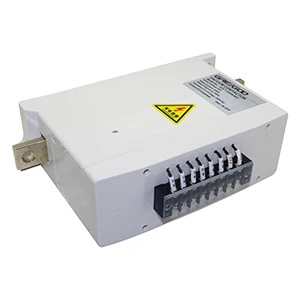 |
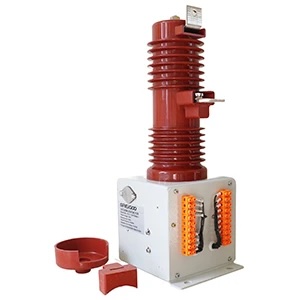
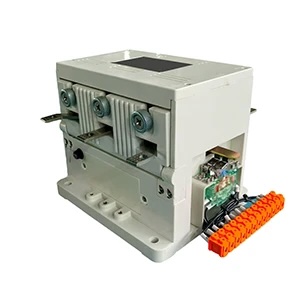
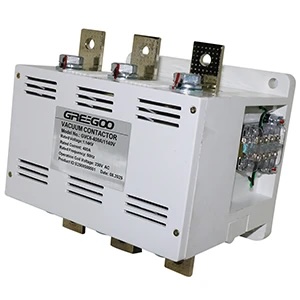
| 12KV 630A 220V Single Pole | 400Hz 4160V 160A 3P | 400A 3.6KV 220V 3phase | 630A 1.5KV enclosed sinlge phase |
Conclusion
Vacuum contactors are essential for reliable and efficient control of high-power electrical systems. For those seeking high-quality vacuum contactors, Greegoo Electric offers a range of solutions, including low voltage vacuum contactor 1.14KV to 3.6KV and medium voltage vacuum contactor 6.6KV to 36KV. Contact us today to explore our products and kickstart your project!
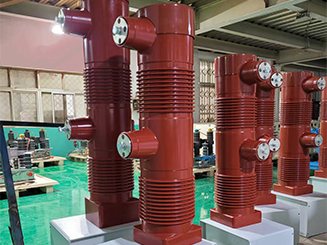
Performance Advantages of Embedded Pole Technology Vacuum Contactor
Performance Advantages of Greegoo's Embedded Pole Technology Vacuum Contactors
Read More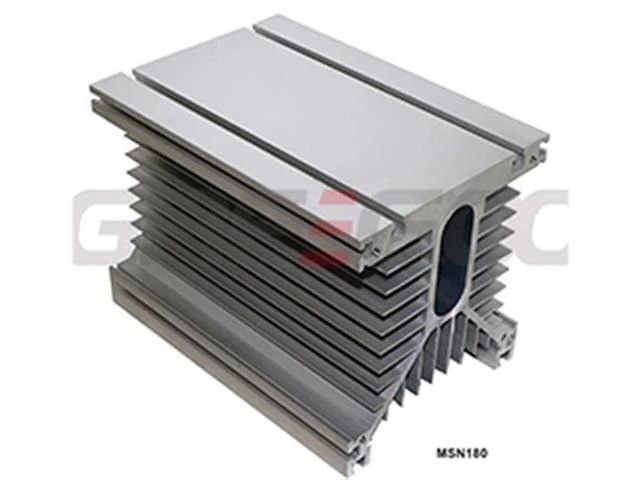
Guide to Heatsink Calculation and Selection
A heatsink is a device used for heat dissipation, commonly found in electronic devices to help dissipate heat and prevent overheating.
Read More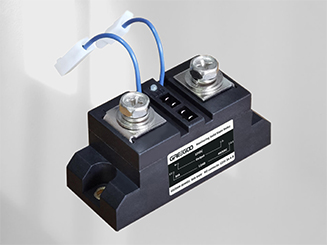
Built-in Over-temperature Protection Operating Principle of GDZ08M Monitoring AC Solid State Relay
Over-temperature Protection Working Principle of monitoring SSR, built-in diagnostic output function
Read More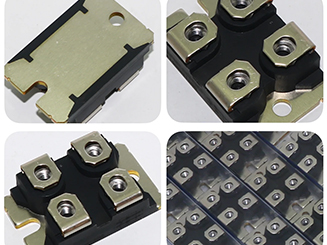
An In-Depth View at the SOT-227 Standard Package: Technical Advantages, Product Selection, and Application Guide
The SOT-227 Package Explained: The Foundation of High-Power Density and Industrial Reliability
Read More

We value your privacy
We use cookies to enhance your browsing experience, serve personalized ads or content, and analyze our traffic. By clicking "Accept All", you consent to our use of cookies.
