


Guide to Heatsink Calculation and Selection
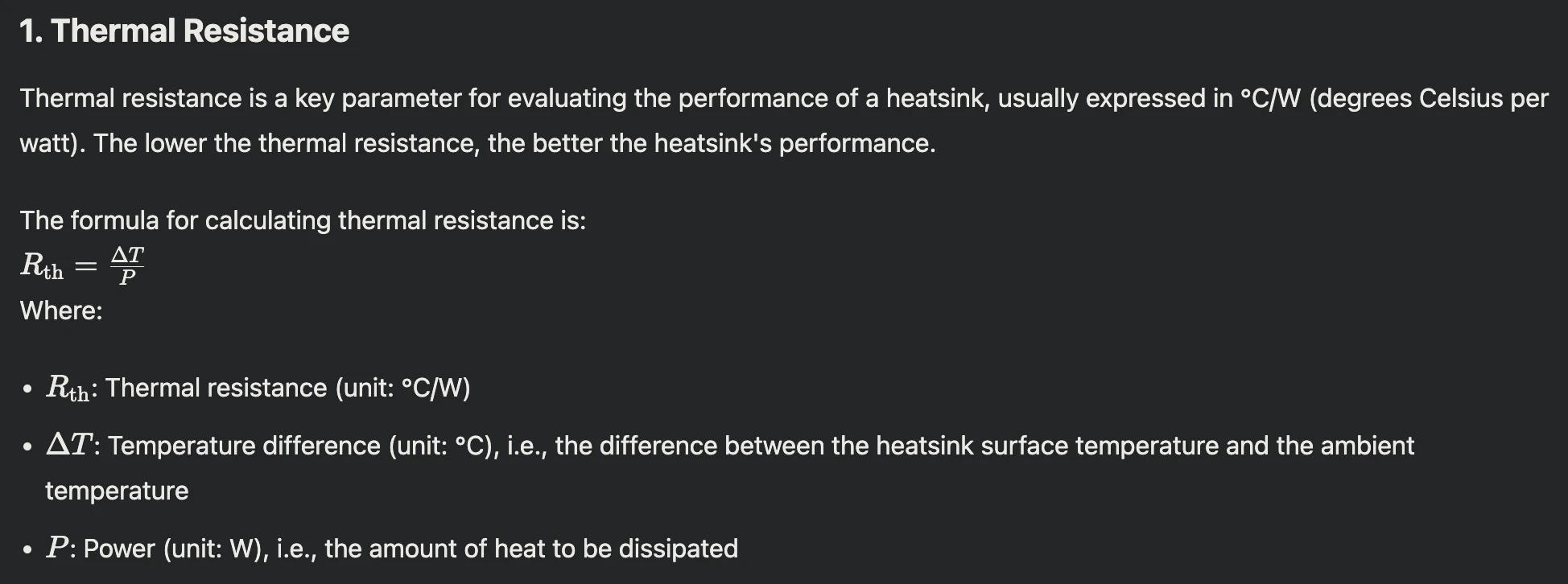
A heatsink is a device used for heat dissipation, commonly found in electronic devices to help dissipate heat and prevent overheating. When calculating the performance of a heatsink or selecting an appropriate one, the following aspects are typically considered:


4. Heatsink Material and Design
The material and design of the heatsink also affect its performance:
- Material: Common materials include aluminum and copper. Copper has better thermal conductivity, but aluminum is lighter and more cost-effective.
- Design: The surface area, number of fins, and shape of the heatsink all influence its heat dissipation performance.
5. Practical Considerations
In practical applications, the following factors should also be considered:
- Air Cooling or Liquid Cooling: Air-cooled heatsinks rely on airflow, while liquid-cooled heatsinks use circulating liquid for heat dissipation.
- Installation Method: Ensure good contact between the heatsink and the heat source. Thermal paste or thermal pads can be used to improve heat conduction efficiency.
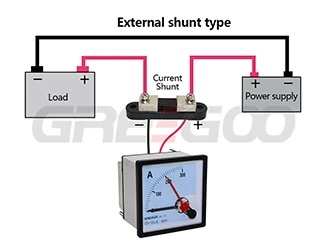
How to use DC Current Shunt? A Comprehensive Guide on DC Shunt Resistor
Understanding DC Current Shunts, A Comprehensive Guide.
Read More
Fast Recovery Epitaxial Diode vs Fast Recovery Diode Module
Fast Recovery Epitaxial Diode vs Fast Recovery Diode Module, what's their difference from
Read More
Performance Advantages of Embedded Pole Technology Vacuum Contactor
Performance Advantages of Greegoo's Embedded Pole Technology Vacuum Contactors
Read More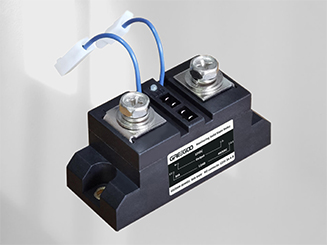
Built-in Over-temperature Protection Operating Principle of GDZ08M Monitoring AC Solid State Relay
Over-temperature Protection Working Principle of monitoring SSR, built-in diagnostic output function
Read More

We value your privacy
We use cookies to enhance your browsing experience, serve personalized ads or content, and analyze our traffic. By clicking "Accept All", you consent to our use of cookies.
