


Performance Advantages of Embedded Pole Technology Vacuum Contactor
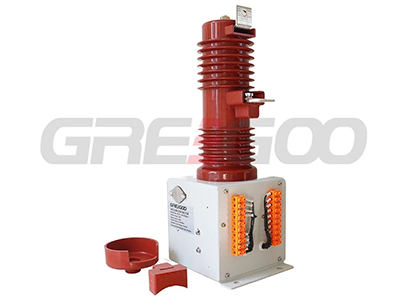
Environmental Protection: The resin creates a completely airtight and moisture-proof seal. This prevents dust, humidity, and chemical contaminants from reaching the interrupter, making it ideal for harsh industrial environments or high-altitude use.
Dielectric Strength: By eliminating the air gap around the vacuum interrupter, the resin significantly increases the insulation strength. This allows for a more compact design without the risk of external flashovers between phases.
Mechanical Durability: The solid "block" of resin protects the fragile ceramic vacuum bottle from physical shocks, vibrations, and mechanical stresses during high-frequency switching.
Maintenance-Free: Because the primary parts are sealed away from the atmosphere, there is no need for internal cleaning or lubrication of the high-voltage components.
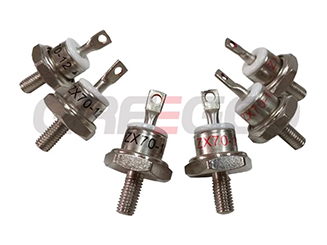
Rotating Diode vs. Standard Recovery Diode: Key Difference and Application
A rotating diode is a special type of rectifier diode used in the brushless excitation system of synchronous generators (alternators).
Read More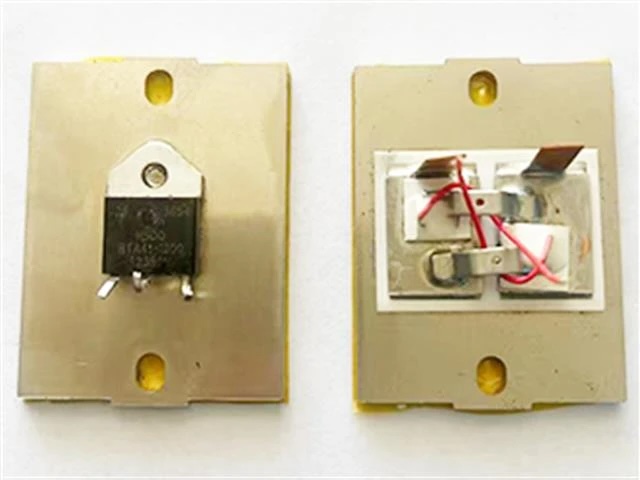
Differences Between TRIAC Output SSR (GD series SSR) and SCR Output SSR (GDH series SSR)
GD and GDH series single phase solid state relay, what's their difference?
Read More
How to Use a Vacuum Contactor? A Comprehensive Guide on Vacuum Contactors
Understanding well about Vacuum Contactor, A Comprehensive Guide
Read More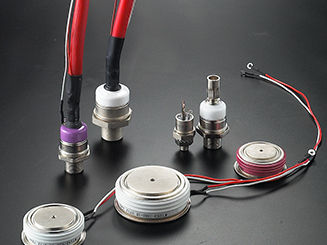
Stud Semiconductors vs. Capsule Semiconductors
Stud and capsule semiconductors are high-power, industrial-grade components designed for heavy-duty applications, featuring robust packaging for superior thermal management and electrical performance.
Read More

We value your privacy
We use cookies to enhance your browsing experience, serve personalized ads or content, and analyze our traffic. By clicking "Accept All", you consent to our use of cookies.
