


How to Choose the Right Medium Voltage Current Transformer: MV Bushing CT vs MV CT for General Purpose
The main difference between Medium Voltage Bushing Current Transformer (MV Bushing CT) and Medium Voltage Current Transformer (MV CT) lies in their installation location, structural design, and application scenarios. Below is a detailed comparison:
1. Installation Location
-
MV Bushing CT:
- Installed on the bushing of high-voltage equipment (e.g., transformers, circuit breakers), directly mounted on the conductive part of the bushing.
- Integrated with the bushing, usually built-in or embedded.
-
MV CT:
- Independently installed on the busbar, conductor, or cable in the power system.
- Typically a standalone device, separate from other electrical equipment.
2. Structural Design
-
MV Bushing CT:
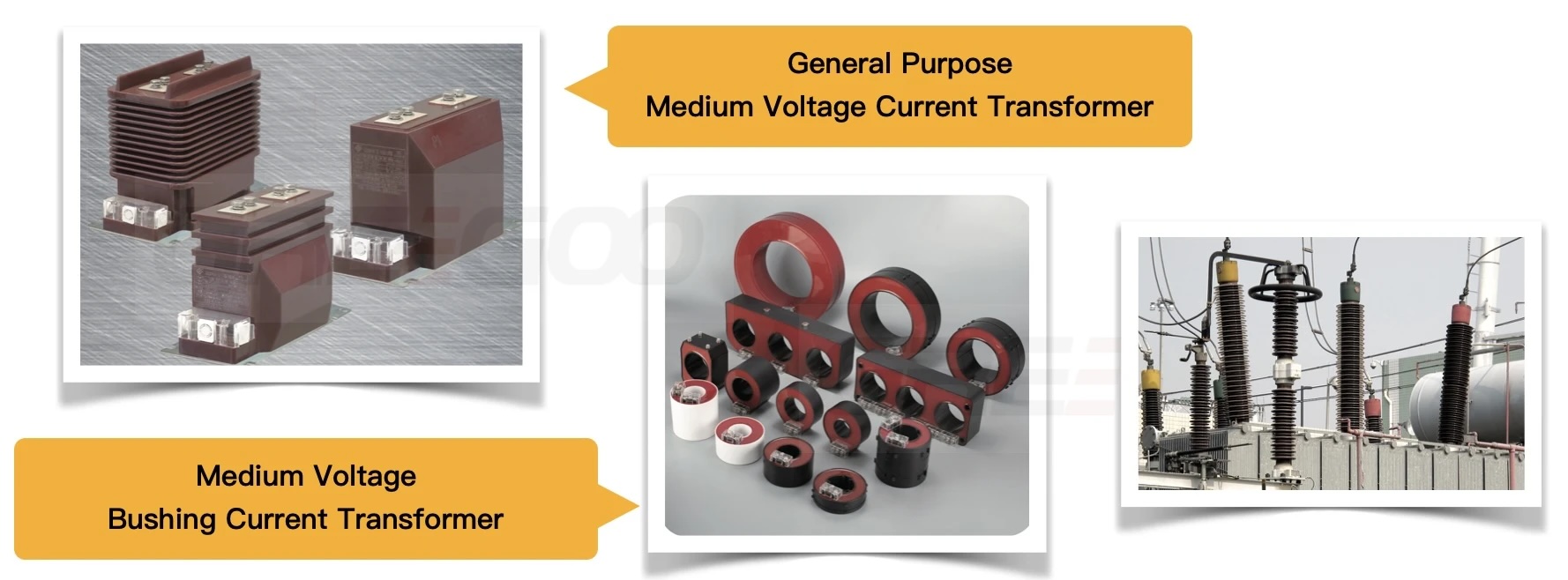
- Compact design, directly integrated with the bushing, using the conductive part of the bushing as the primary winding.
- Usually ring-shaped, designed to fit the bushing's shape.
- Suitable for limited space, especially for internal integration in high-voltage equipment.
-
MV CT:
- Independent device, usually column-type or ring-shaped.
- The primary winding is the conductor or busbar passing through the CT, and the secondary winding is connected to the measurement or protection circuit.
- Requires additional mounting brackets or foundations.
3. Application Scenarios
-
MV Bushing CT:
- Mainly used for current measurement and protection in high-voltage equipment (e.g., transformers, circuit breakers).
- Suitable for space-constrained scenarios, especially where the equipment requires an integrated current transformer.
- Commonly used for relay protection, metering, and monitoring.
-
MV CT:
- Widely used in medium-voltage distribution systems for current measurement, protection, and metering.
- Suitable for installation in switchgear, bus ducts, or cable systems.
- Broader application range, suitable for various standalone electrical equipment.
4. Maintenance and Replacement
-
MV Bushing CT:
- Since it is integrated with the bushing, maintenance and replacement are more complex, usually requiring power shutdown and bushing disassembly.
- Higher replacement cost.
-
MV CT:
- As an independent device, maintenance and replacement are relatively simple.
- Replacement does not require large-scale disassembly of other equipment.
Summary
| Feature | MV Bushing CT | MV CT |
| Installation Location | On the bushing | Independently installed |
| Structural Design | Compact, ring-shaped, integrated with bushing | Standalone device, column or ring-shaped |
| Application Scenarios | Internal high-voltage equipment, space-constrained | Medium-voltage distribution systems, broader application |
| Maintenance and Replacement | Complex, requires bushing disassembly | Simple, independent replacement |
The choice between the two depends mainly on specific application requirements and equipment design. If a current transformer is needed inside high-voltage equipment, a Bushing CT is typically used. For standalone medium-voltage distribution systems, a standard MV CT is more commonly used.
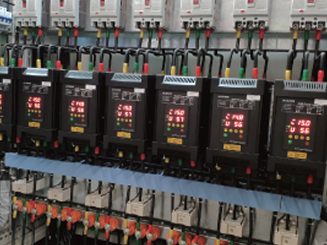
How to Choose Single-Phase or Three-Phase Thyristor Power Controllers: A Comprehensive Guide to Key Factors
Learn how to choose single-phase or three-phase thyristor power controllers. Explore key factors, applications, and benefits with Greegoo’s expert guide
Read More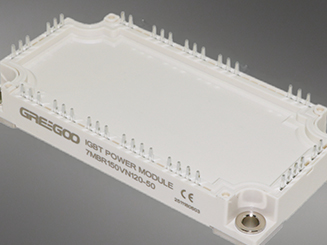
The IGBT topology comparison and selection guide
A comparison of common IGBT module topologies, their circuit features, and typical applications.
Read More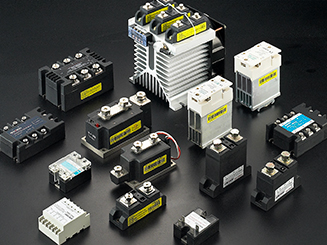
Empowering Operations in Harsh Environments: High-Standard SSR Upgrades Ensure System Stability
Next-Gen SSR: Rugged Reliability for Extreme Industries, 4000V insulation, built-in automatic temperature control and protection.
Read More
12KV Vacuum Contactor with Vacuum Circuit Breaker Integrated - Frequent Switching under Higher Breaking Capacity 31.5kA
12KV 630A to 1250A 31.5KA Vacuum Contactor + Vacuum Circuit Breaker, frequently switching under high breaking capacity
Read More

We value your privacy
We use cookies to enhance your browsing experience, serve personalized ads or content, and analyze our traffic. By clicking "Accept All", you consent to our use of cookies.
