


12KV Vacuum Contactor with Vacuum Circuit Breaker Integrated - Frequent Switching under Higher Breaking Capacity 31.5kA
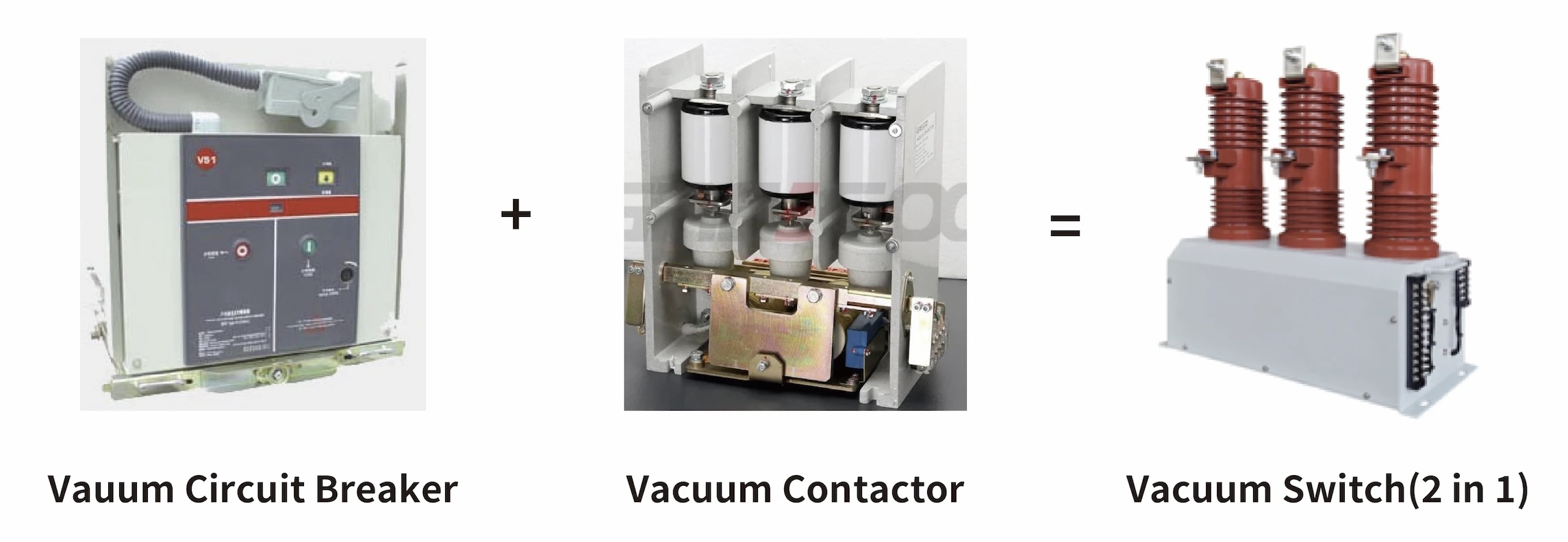
Powerful: Rated current ranges from 250A up to 1250A, suitable for various loads including motors, resistors, capacitors and transformers etc.
Robust: Features exceptional breaking capacity and can replace VS1 vacuum circuit breakers, with maximum rated short-circuit breaking current of 31.5KA for high-capacity load protection.
Fast: High-speed operation minimizes impact on capacitor switching to extend load lifespan, achieving 30-40ms closing/opening time with contact bounce time less than 1ms.
Compact: Space-saving fully enclosed structure meets three-proof requirements for easy installation and optimized cabinet space.
Durable: Maintenance-free design withstands over 100,000 operations, ideal for frequent switching.
Adaptable: Flexible terminal configurations for diverse environments, supporting parallel cascading for integrated installations.
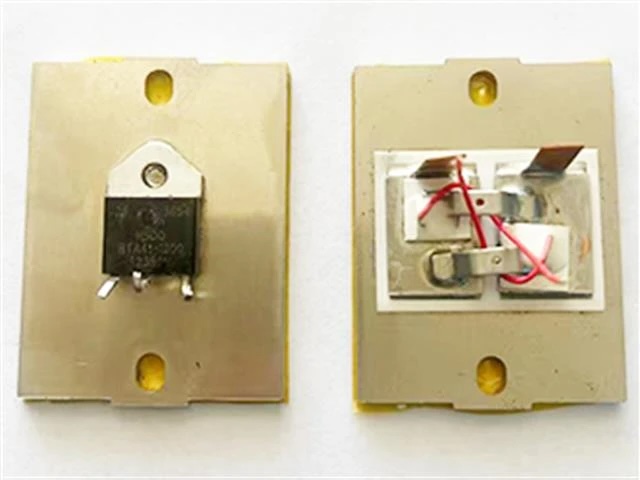
Differences Between TRIAC Output SSR (GD series SSR) and SCR Output SSR (GDH series SSR)
GD and GDH series single phase solid state relay, what's their difference?
Read More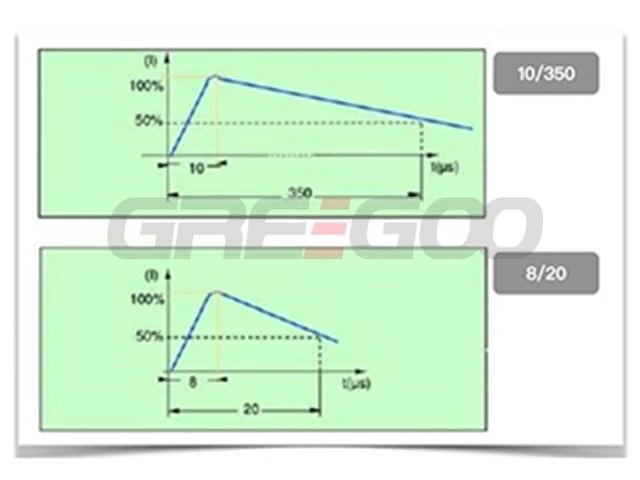
What is the main difference between 8/20μs and 10/350μs in SPD?
The terms "8/20μs" and "10/350μs" refer to different surge waveforms used to characterize the performance and capability of Surge Protective Devices (SPDs).
Read More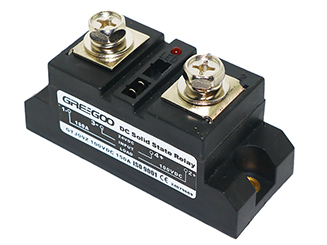
Advantages of Low Voltage Drop DC Solid-State Relays - Heatsink is not required
Low voltage drop DC solid-state relays offer significant advantages in terms of efficiency, low heat generation, and high reliability, making them particularly suitable for applications requiring high efficiency and low energy consumption.
Read More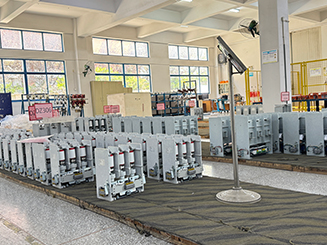
How to Use a Vacuum Contactor? A Comprehensive Guide on Vacuum Contactors
Understanding well about Vacuum Contactor, A Comprehensive Guide
Read More
We value your privacy
We use cookies to enhance your browsing experience, serve personalized ads or content, and analyze our traffic. By clicking "Accept All", you consent to our use of cookies.
