


Why the Fast Vacuum Contactor is the Ultimate Bypass Guardian for Power Electronics
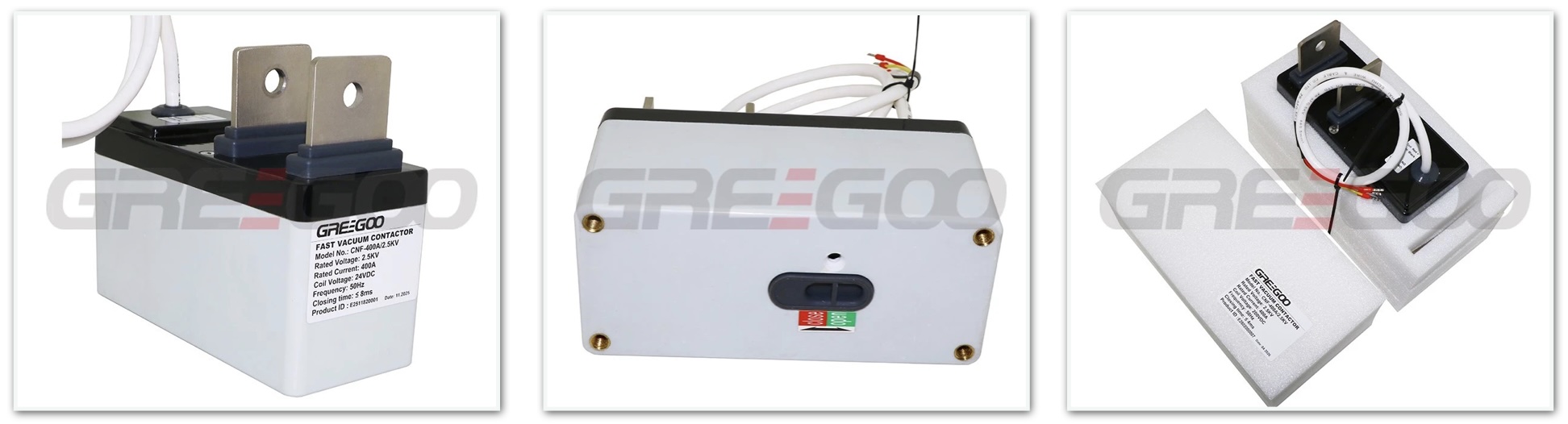
Why it matters for bypass: If a critical power electronic component (like an SCR or IGBT in a drive) suffers a sudden fault or thermal overload, a standard contactor is too slow to protect it. A fast vacuum contactor instantly triggers and shunts the destructive fault current around the sensitive electronics, saving the equipment from catastrophic failure.
Why it matters for bypass: Because a vacuum lacks gas molecules to ionize, arcs cannot easily form and are extinguished almost instantly. This ensures a safe, clean, and sparks-free bypass transition, preventing voltage transients from feeding back into the system.
Why it matters for bypass: Vacuum contactors are highly resilient against massive current surges. Standard air-break contactors can suffer from contact pitting or welding when subjected to severe bypass currents. Vacuum contactors maintain a low and stable loop resistance over millions of cycles.
Why it matters for bypass: The superior dielectric strength of a vacuum allows the contactor to have an incredibly tight contact gap while maintaining safely isolated circuits. This results in a heavy-duty bypass contactor that is a fraction of the physical size of a standard industrial NEMA/IEC air-break contactor.
| Feature | Standard Air Contactor | Fast Vacuum Contactor |
|---|---|---|
| Closing/Opening Speed | Slow (30 – 100 ms) | Ultra-Fast (< 5 ms) |
| Arc Suppression | Air-chutes (prone to wear/wear out) | Instantaneous (sealed vacuum) |
| Contact Wear | High (pitting, material transfer) | Negligible (extended lifespan) |
| Application Scope | Standard low-voltage soft starters | HVDC, Grid, MV Drives, Critical Fault Bypass |
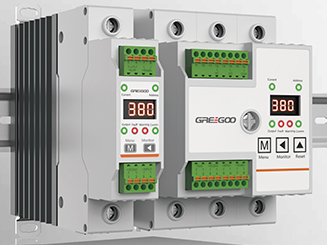
Exploring the Smartguard Solid State Relay: A Game-Changer for Industrial Automation
Is the Intelligent SSR Right for You? Diagnostics, RS485, Modbus communication, Intelligent detection SSR, LED display.
Read More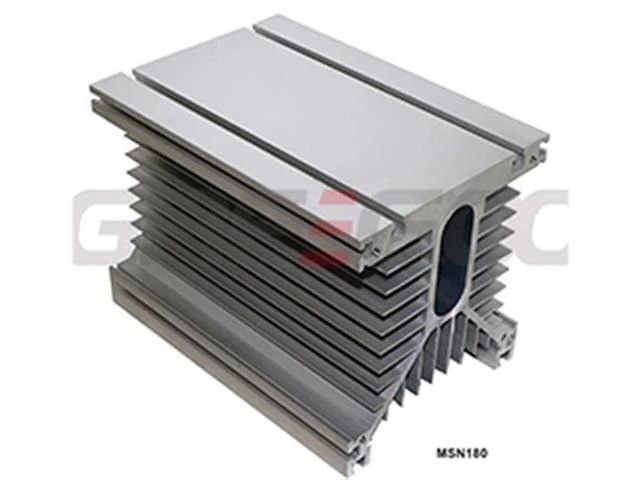
Guide to Heatsink Calculation and Selection
A heatsink is a device used for heat dissipation, commonly found in electronic devices to help dissipate heat and prevent overheating.
Read More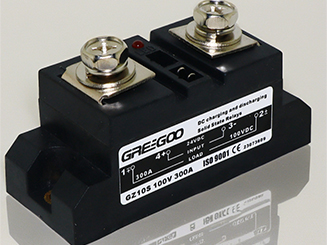
Bidirectional Charging and Discharging SSR: A High-Efficiency and Reliable DC Energy Switching
In applications such as battery charging/discharging and energy storage, energy frequently switches between charging and discharging directions.
Read More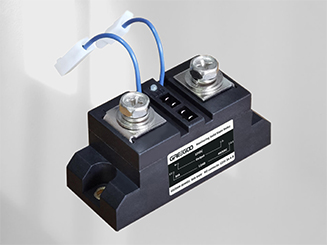
Built-in Over-temperature Protection Operating Principle of GDZ08M Monitoring AC Solid State Relay
Over-temperature Protection Working Principle of monitoring SSR, built-in diagnostic output function
Read More

We value your privacy
We use cookies to enhance your browsing experience, serve personalized ads or content, and analyze our traffic. By clicking "Accept All", you consent to our use of cookies.
