


Sintering process in the chip of solid-state relays is of significant importance.
The use of sintering process in the chip of solid-state relays is of significant importance, primarily for the following reasons:
Product Quality and Reliability
The sintering process ensures high-quality and reliable chips. Through high-temperature sintering, the internal materials of the chip fuse effectively, forming a robust structure. This enhances the relay's resistance to vibration and impact, thereby improving stability and lifespan.
Electrical Performance
The sintering process contributes to consistent electrical performance within the chip. By controlling temperature and time during sintering, electronic components inside the chip can be evenly distributed, reducing variations in parameters such as resistance and capacitance. This improves the electrical performance of the relay, ensuring it operates reliably under various conditions.
Thermal Performance
Solid-state relays may generate heat during operation, and the sintering process helps enhance the chip's heat dissipation capabilities. This is crucial for the stability and reliability of the relay, especially during high-load and high-frequency operations.
Environmental Protection and Energy Efficiency
Sintering processes typically involve environmentally friendly, low-pollution techniques at high temperatures. Compared to some traditional manufacturing processes, sintering has a lower environmental impact. Additionally, improving the chip's electrical and thermal performance can reduce energy consumption, contributing to energy efficiency.
Therefore, choosing solid-state relays with chips manufactured using the sintering process ensures high-quality, reliability, and environmental suitability, making them well-suited for various industrial applications.
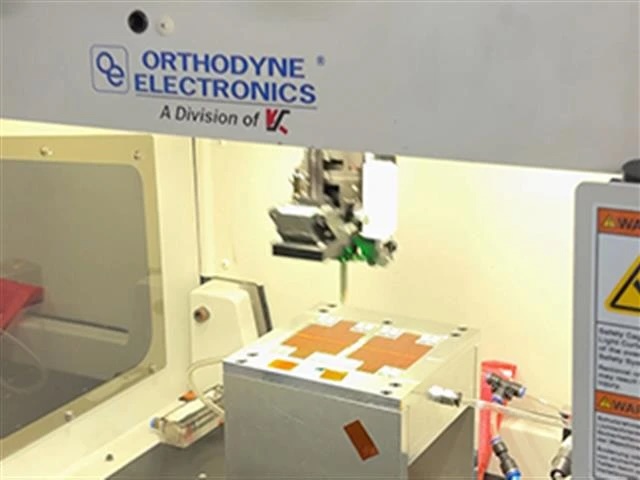
The Crucial Role of IGBT Modules in Power Electronics and Their Expanding Applications
The Key Role of IGBT Modules in Power Electronics and Modern Applications
Read More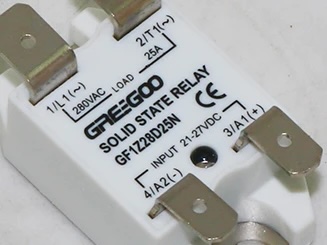
Mini Puck Solid-State Relay: A Compact and Reliable High-Efficiency Switching Solution
Despite its small size, it remains highly reliable. The GF1 uses back-to-back thyristors for switching, which are more durable than traditional triacs.
Read More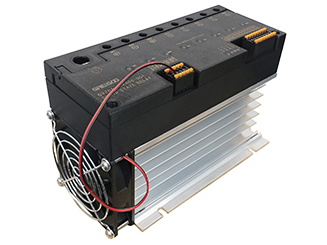
G320A Series 8-Channel SSR Temperature Control Unit feature of 3 in 1 Integration and Distributed Temperature Control
"3-in-1 Integration" and "Distributed Temperature Control" of 8 channel SSR for temperature control unit
Read More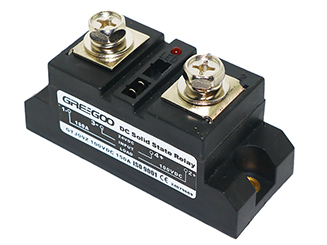
Advantages of Low Voltage Drop DC Solid-State Relays - Heatsink is not required
Low voltage drop DC solid-state relays offer significant advantages in terms of efficiency, low heat generation, and high reliability, making them particularly suitable for applications requiring high efficiency and low energy consumption.
Read More

We value your privacy
We use cookies to enhance your browsing experience, serve personalized ads or content, and analyze our traffic. By clicking "Accept All", you consent to our use of cookies.
